

Vision care is one of the most essential areas of healthcare, as eye health directly affects quality of life, education, and productivity. With increasing awareness about vision problems, the need for trained eye care professionals has grown rapidly.
The Diploma in Ophthalmic Assistant (DOA) is a specialized paramedical programme that prepares students to assist ophthalmologists in eye examinations, diagnostics, and patient care. It is an ideal choice for students who wish to build a stable and meaningful career in the field of eye health.
What is Diploma in Ophthalmic Assistant (DOA)?
The Diploma in Ophthalmic Assistant is a two-year programme that trains students to support eye specialists in diagnosing vision problems, conducting eye tests, and assisting in treatment procedures.
Ophthalmic assistants act as the bridge between patients and eye doctors, ensuring smooth clinical workflow and accurate diagnostic support.
According to global health studies supported by the World Health Organization, millions of people suffer from preventable or treatable vision problems. As a result, healthcare systems are expanding eye care services in hospitals, clinics, and community outreach programmes.
This expansion has created strong demand for trained ophthalmic assistants across:
- Eye hospitals and specialty clinics
- Multi-specialty hospitals
- Vision testing centres
- Optical clinics and diagnostic labs
- Community eye screening programmes
Skills You Gain During DOA
Students in this programme learn both technical and patient-care skills, such as:
- Conducting basic eye tests and vision screening
- Assisting in refraction procedures
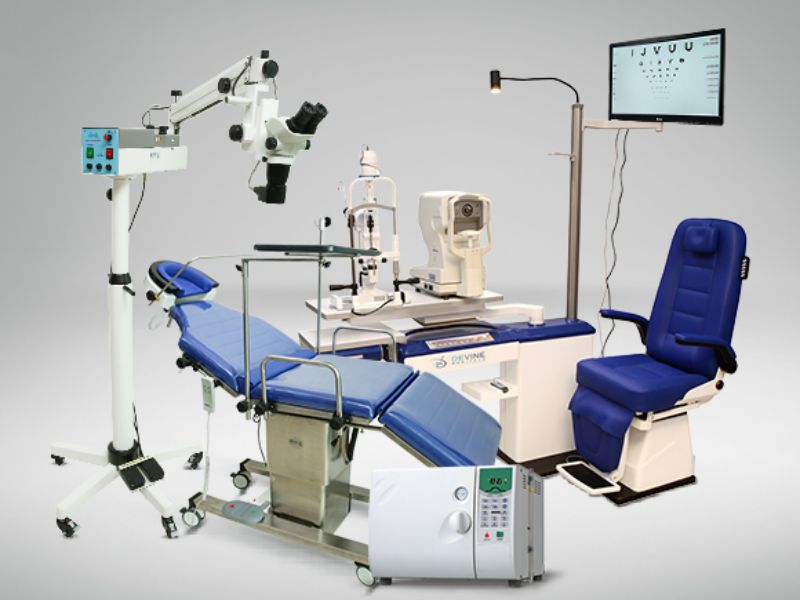
- Operating ophthalmic diagnostic equipment
- Supporting ophthalmologists during examinations
- Maintaining patient records and reports
- Understanding common eye diseases and treatments
- Managing eye clinic workflow and patient interaction
These practical skills make graduates ready to work in clinical environments immediately after completion.
Career Opportunities After DOA
The programme opens doors to several roles in eye care services.
- Ophthalmic Assistant : Assist ophthalmologists in clinics and hospitals during patient examinations and diagnostic procedures.
- Eye Clinic Technician : Work in vision centres handling equipment, screening patients, and managing test records.
- Optical Clinic Assistant : Support optometrists in eye testing, spectacle prescriptions, and patient consultations.
- Community Vision Care Worker : Participate in public health programmes and eye screening camps.
Because eye care services are expanding nationwide, trained assistants are increasingly valued in healthcare settings.
Career Growth & Higher Study Options
After completing DOA, students can advance their careers through:
- Advanced ophthalmic technician training
- Optometry-related courses
- Hospital administration programmes
- Public health or vision science studies
With experience, professionals can grow into senior technicians, clinic coordinators, or specialized diagnostic assistants.
Why Choose Diploma in Ophthalmic Assistant?
- Growing demand in eye healthcare services
- Short-duration, skill-based programme
- Opportunities in hospitals, clinics, and vision centres
- Hands-on patient interaction and diagnostic training
- Stable and respected role in healthcare
For students interested in patient care, diagnostics, and medical technology, DOA offers a focused and rewarding healthcare career.
Final Thoughts
Eye health plays a crucial role in overall well-being, education, and productivity. Ophthalmic assistants contribute significantly to early diagnosis, treatment support, and preventive eye care.
Choosing the Diploma in Ophthalmic Assistant means entering a profession that helps people see the world more clearly — both literally and professionally.


0 Comments